Blog
Myozyme: Comprehensive Guide to Enzyme Replacement Therapy for Pompe Disease Treatment

EXCERPT: Learn about Myozyme (alglucosidase alfa), a breakthrough enzyme replacement therapy for Pompe disease. Discover how this Sanofi biologic medication works, dosage, cost, and treatment options.
What is Myozyme? Understanding Alglucosidase Alfa
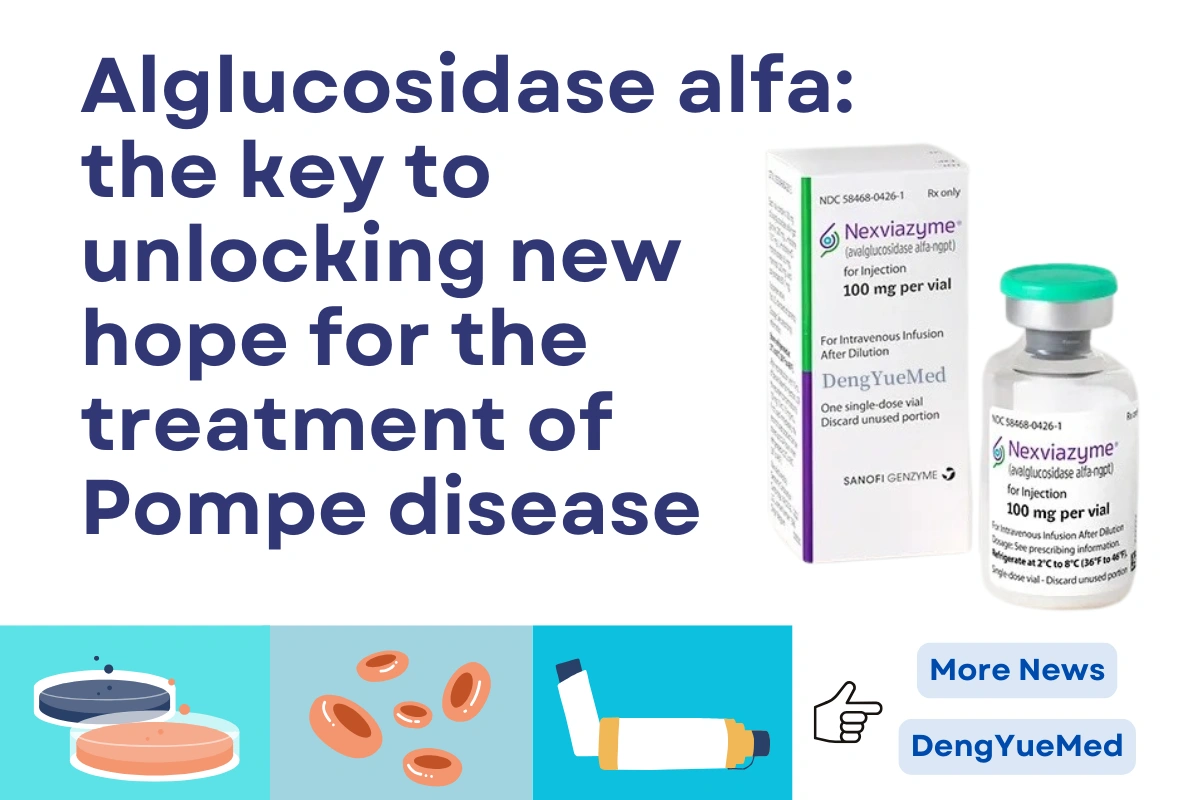
Myozyme is a groundbreaking enzyme replacement therapy developed by Sanofi for treating Pompe disease. The active ingredient, alglucosidase alfa, is a recombinant human enzyme that replaces the missing or deficient enzyme in patients with this rare genetic disorder.
Key Information: Myozyme is a prescription biologic medication classified as an orphan drug for treating lysosomal storage disease, specifically glycogen storage disease type II (GAA deficiency).
This specialty pharmaceutical represents a major breakthrough in precision medicine and biotechnology medicine. Myozyme is administered as an intravenous infusion, making it a hospital infusion treatment that requires specialized medical administration.
Understanding Pompe Disease and Genetic Metabolic Disorders
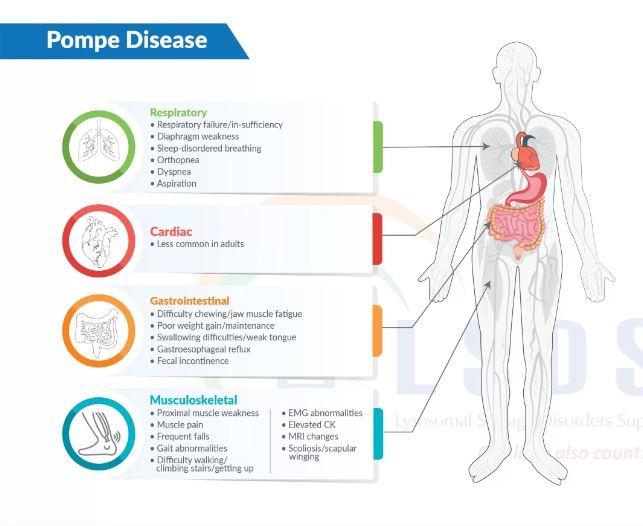
Pompe disease, also known as glycogen storage disease type II or GAA deficiency, is a rare genetic disorder that affects how the body breaks down glycogen. This metabolic disorder occurs when patients lack or have insufficient amounts of the enzyme acid alpha-glucosidase (GAA).
Types of Pompe Disease
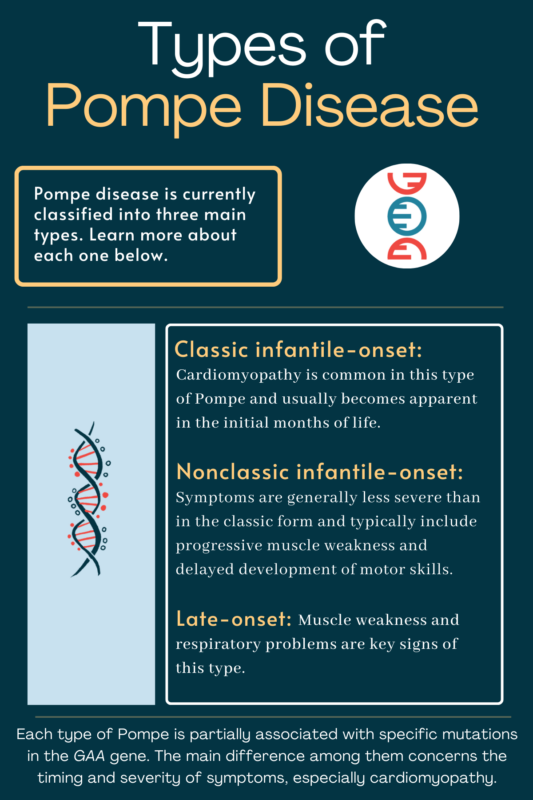
Infantile-Onset Pompe Disease: Appears in the first year of life with severe symptoms and rapid progression
Late-Onset Pompe Disease (LOPD): Develops later in childhood or adulthood with slower progression
Clinical Significance: Without treatment, Pompe disease leads to progressive muscle weakness, respiratory failure, and reduced life expectancy. Early diagnosis and treatment with enzyme replacement therapy can significantly improve outcomes.
How Myozyme Works: Enzyme Replacement Therapy Mechanism
Myozyme functions through a sophisticated enzyme replacement therapy mechanism. The alglucosidase alfa enzyme is produced using recombinant DNA technology and works by replacing the deficient or absent GAA enzyme in patients with Pompe disease.
The Treatment Process
1. Myozyme is administered intravenously in a controlled medical setting
2. The enzyme enters cells and localizes to lysosomes
3. It breaks down accumulated glycogen in muscle and other tissues
4. This reduces muscle damage and improves muscle function
5. Respiratory function and overall quality of life improve
Medical Insight: This biologic medicine represents a major advancement in treating lysosomal storage disease and demonstrates the power of precision medicine in addressing genetic disorders.
Myozyme 50 mg Dosage and Administration Guidelines
The standard Myozyme dosage is carefully calculated based on patient body weight. Understanding proper dosage and administration is crucial for optimal treatment outcomes.
Patient Category: Adults and Children
Dosage: 20 mg/kg body weight
Frequency: Every 2 weeks
Infusion Duration: Approximately 4 hours
Patient Category: Infantile-Onset
Dosage: 20 mg/kg body weight
Frequency: Every 2 weeks
Infusion Duration: Approximately 4 hours
Administration Details
– Myozyme 50 mg vials are available for intravenous use
– The medication must be diluted before administration
– Infusion is performed in a hospital infusion center or specialty pharmacy setting
– Medical professionals monitor patients during and after infusion for adverse reactions
– Treatment is typically lifelong for optimal disease management
Important: Myozyme infusion therapy requires regular monitoring and should only be administered by trained healthcare providers in appropriate medical facilities.
Myozyme Cost and Pricing Information
Understanding Myozyme cost and Myozyme price is important for patients and healthcare systems. This specialty drug represents a significant investment in rare disease treatment.
Pricing Structure
– Per-Vial Cost: Approximately $1,000-$1,200 per 50 mg vial (varies by region and payer)
– Annual Treatment Cost: Can exceed $300,000-$500,000 annually depending on patient weight and dosing
– Factors Affecting Cost: Patient body weight, treatment frequency, geographic location, and insurance coverage
Financial Assistance: Sanofi offers patient support programs and financial assistance for eligible patients. Many insurance plans, including Medicare and Medicaid, provide coverage for this FDA-approved therapy.
Cost Comparison: Treatment Investment
While Myozyme cost is substantial, the long-term benefits include:
– Improved ventilator-free survival in infantile-onset Pompe disease
– Enhanced muscle function and quality of life
– Reduced hospitalizations and complications
– Extended life expectancy for patients with this rare disease
Myozyme Side Effects and Safety Profile
Like all medications, Myozyme can cause side effects. Understanding potential adverse reactions helps patients and healthcare providers manage treatment effectively.
Common Side Effects
– Infusion-related reactions (fever, chills, flushing)
– Headache and dizziness
– Muscle pain and fatigue
– Nausea and vomiting
– Skin rash and itching
– Increased heart rate
Serious Side Effects (Seek Immediate Medical Attention)
– Severe allergic reactions (anaphylaxis)
– Severe bronchospasm or breathing difficulties
– Cardiac arrhythmias
– Severe hypotension
– Seizures
Safety Monitoring: Patients receiving enzyme replacement therapy require regular blood work and monitoring. Blood tests are recommended every 3 months for the first 2 years, then annually thereafter.
Risk Mitigation Strategies
– Pre-medication with antihistamines and corticosteroids
– Slow infusion rates to minimize reactions
– Immediate access to emergency equipment and medications
– Experienced medical staff trained in managing infusion reactions
Frequently Asked Questions About Myozyme
What is the difference between Myozyme and Lumizyme?
Both are alglucosidase alfa products from Sanofi. Myozyme is indicated for infantile-onset Pompe disease, while Lumizyme is indicated for patients aged 8 years and older with late-onset disease.
How long does Myozyme treatment last?
Myozyme treatment is typically lifelong. Patients receive infusions every 2 weeks indefinitely to maintain enzyme levels and manage the disease.
Can Myozyme cure Pompe disease?
No, enzyme replacement therapy with Myozyme does not cure Pompe disease. However, it effectively manages symptoms and slows disease progression when started early.
Where can I get Myozyme treatment?
Myozyme infusion therapy is administered at hospital infusion centers and specialty pharmacy locations. Your physician can help locate appropriate treatment facilities.
What are the long-term outcomes of Myozyme therapy?
Studies show that early treatment with enzyme replacement therapy significantly improves:
– Ventilator-free survival
– Motor function and mobility
– Cardiac function
– Overall quality of life
Is Myozyme covered by insurance?
Most insurance plans, including Medicare and Medicaid, cover Myozyme for FDA-approved indications. Sanofi offers patient assistance programs for uninsured or underinsured patients.
Related Keywords: Myozyme, Alglucosidase Alfa, Pompe Disease, Enzyme Replacement Therapy, Sanofi, Rare Disease Treatment, Genetic Disorder, Biologic Medicine, Lysosomal Storage Disease, Precision Medicine, Orphan Drug, Infusion Therapy, Specialty Pharmacy, FDA-Approved Drug