
Blog
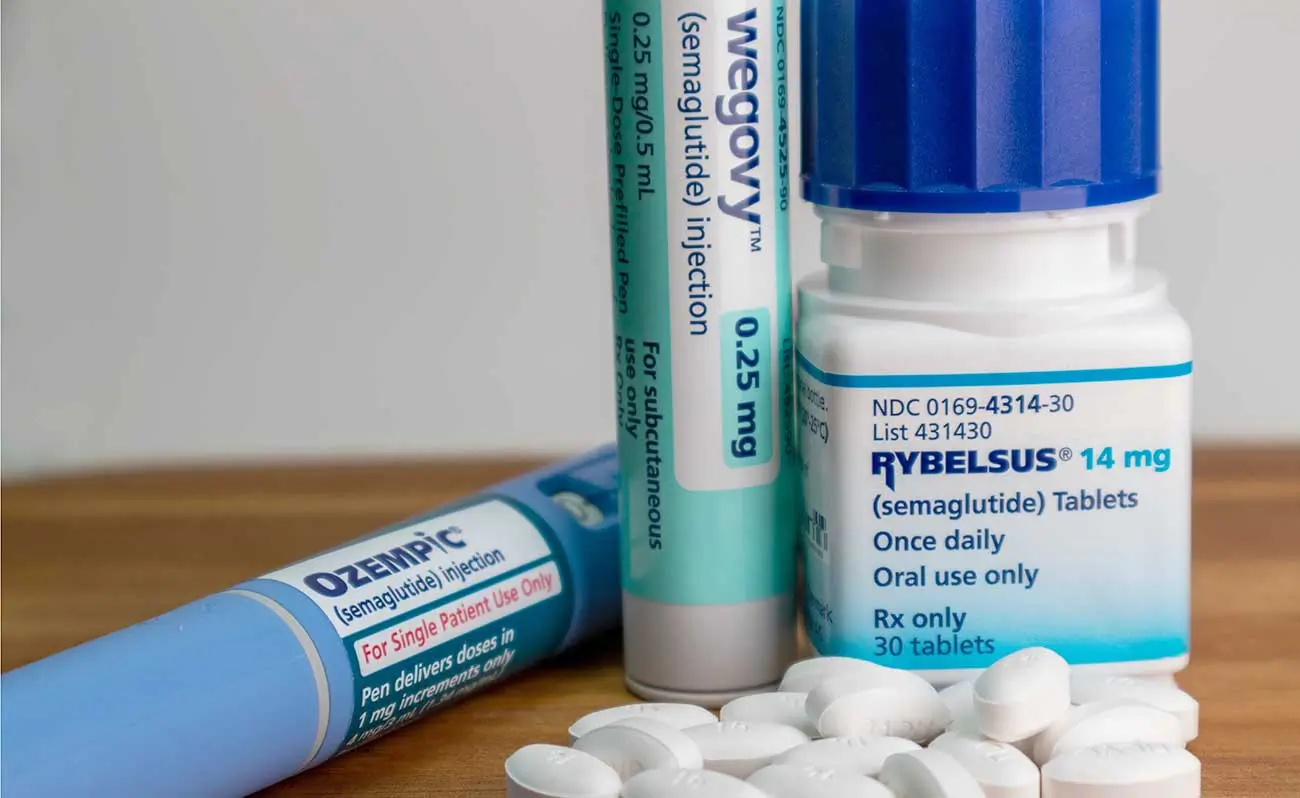
Natural Molecule Could Provide an Ozempic & Wegovy Alternative



6
The world of weight-loss medicine is evolving fast, and a newly discovered peptide is beginning to attract serious attention. Researchers have identified a natural molecule called BRP, which may offer a different—and potentially more tolerable—approach to managing obesity compared to well-known drugs like Ozempic, Wegovy, and Mounjaro.
Unlike current treatments that often come with uncomfortable side effects, this peptide appears to work directly on the brain’s hunger system. That alone is enough to make scientists—and patients—pay attention.
If you’re following the latest in peptide therapy and metabolic health, this discovery could mark the beginning of a new era.
Why Current Weight-Loss Drugs Aren’t Perfect


6
There’s no denying that GLP-1 drugs have changed the game. Millions of people have successfully lost weight using these medications, often achieving results that previously required surgery.
But there’s a catch.
Most of these drugs work by strongly activating the hindbrain, the part of your brain responsible for making you feel full. And not just “satisfied” full—but sometimes too full. That’s where common side effects like nausea, vomiting, and digestive discomfort come from.
In simple terms, these medications don’t just reduce hunger—they can overwhelm your body’s natural signals.
That’s where BRP may offer something different.
A Smarter Way to Control Appetite


7
Instead of targeting the hindbrain, BRP seems to act more directly on the hypothalamus—the brain’s true “hunger control center.”
This is a subtle but powerful shift.
Rather than forcing your body to feel full, BRP may simply make you feel less hungry. That means:
- Eating less without discomfort
- Avoiding that heavy, nauseating fullness
- Potentially sticking to treatment longer
It’s the difference between being forced to stop eating and naturally not wanting to eat as much.
And that difference could change everything.
What the Early Research Shows


7
So far, studies have mainly been conducted in animal models—but the results are promising.
Mice given BRP injections lost weight, while untreated ones continued to gain. Even more interesting, the weight loss appeared to come primarily from fat, not muscle.
That matters more than it sounds.
One of the hidden downsides of some weight-loss treatments is muscle loss, which can slow metabolism and make long-term weight maintenance harder. A therapy that preserves lean muscle while reducing fat could offer a major advantage.
Of course, human trials are still needed—but the early signals are strong enough to generate real excitement.
The Role of AI in This Breakthrough


8
What makes this discovery even more fascinating is how it happened.
Scientists at Stanford Medicine used an AI system called Peptide Predictor to scan around 20,000 human genes. From that massive dataset, thousands of potential peptides were identified and narrowed down.
BRP stood out as one of the most promising.
This is a glimpse into the future of medicine—where artificial intelligence helps uncover treatments that might otherwise remain hidden for decades.
What Happens Next?


8
As exciting as this sounds, it’s important to stay grounded.
There’s still a long road ahead before BRP could become an approved treatment. Human clinical trials will need to confirm:
- Safety over long-term use
- Effectiveness in real patients
- How it compares to existing drugs
Experts also believe that even if BRP succeeds, it won’t replace GLP-1 drugs entirely. Instead, it could expand the range of options available—allowing treatments to be tailored to individual needs.
And that’s ultimately the goal: personalized medicine that actually works for different people.
Why This Matters More Than Ever


5
Obesity is no longer just a personal health issue—it’s a global crisis affecting over a billion people.
With rising rates of diabetes, heart disease, and metabolic disorders, the need for better treatments has never been greater. And not just treatments that work—but treatments people can actually tolerate and stick with.
That’s where innovations like BRP could make a real difference.
Final Thoughts
The discovery of BRP isn’t just about a new weight-loss drug—it represents a shift in how we approach treatment altogether.
Instead of overwhelming the body, future therapies may work with natural systems, targeting precise pathways like hunger regulation in the brain. Combined with AI-driven discovery, this opens the door to smarter, more effective, and more personalized healthcare solutions.
If you’re interested in peptides, metabolic health, and cutting-edge research, this is definitely a space worth watching.
???? Explore More Peptide Research
Stay updated with advanced peptide insights and clinical discussions:
???? https://clinicalrxcenter.com/category/blog/