Blog
Myozyme Treatment Outcomes: Clinical Results, Survival Rates, and Patient Success Stories

Understanding Myozyme and Pompe Disease
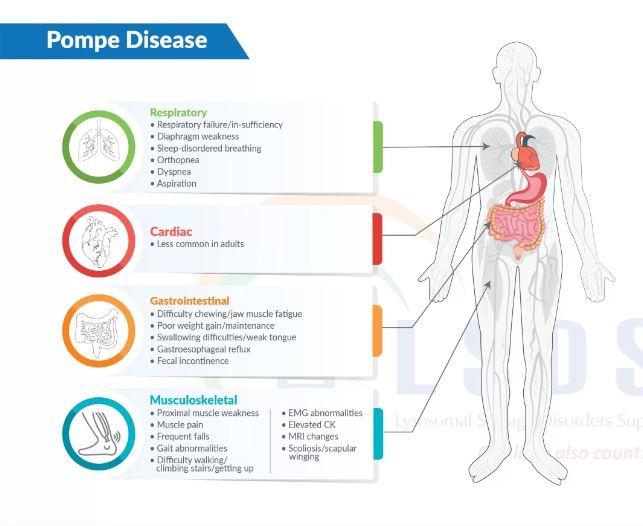
Pompe disease is a rare inherited genetic disorder caused by a deficiency of acid alpha-glucosidase (GAA), an enzyme responsible for breaking down glycogen in the body’s cells. Without adequate enzyme activity, glycogen accumulates in muscles and organs, leading to progressive muscle weakness, respiratory complications, and, in severe cases, early death.
Myozyme (alglucosidase alfa) is a groundbreaking enzyme replacement therapy (ERT) developed to address the underlying cause of Pompe disease. As one of the first FDA-approved biologic therapies for rare genetic disorders, Myozyme has dramatically improved survival rates, motor function, and quality of life for both infantile-onset and late-onset Pompe disease patients.
Primary Keywords: Myozyme treatment, Pompe disease outcomes, enzyme replacement therapy results, alglucosidase alfa efficacy.
What Is Myozyme?
Myozyme at a Glance
- Generic Name: Alglucosidase alfa
- Drug Class: Enzyme Replacement Therapy (ERT)
- Manufacturer: Sanofi
- Administration: Intravenous Infusion
- Standard Dose: 20 mg/kg every two weeks
- Indication: Pompe Disease
Myozyme works by replacing the missing GAA enzyme, allowing cells to process glycogen more effectively and reducing disease progression.
How Effective Is Myozyme Treatment?
Clinical Evidence Supporting Myozyme
Since its approval, Myozyme has become the standard of care for Pompe disease management.
Clinical studies consistently show:
- Improved overall survival
- Extended ventilator-free survival
- Better cardiac outcomes
- Improved motor development
- Enhanced respiratory function
- Increased quality of life
Image Suggestion: Myozyme Infusion Therapy


Infantile-Onset Pompe Disease Outcomes
Infantile-onset Pompe disease represents the most severe form of the condition.
Without treatment, affected infants often experience:
- Severe muscle weakness
- Enlarged heart (cardiomyopathy)
- Respiratory failure
- Death before age two
Clinical Outcomes with Early Myozyme Treatment
| Outcome Measure | Without Treatment | With Myozyme |
|---|---|---|
| Survival Rate | Very Low | Significantly Improved |
| Ventilator-Free Survival | Rare Beyond 2 Years | Extended for Many Years |
| Motor Development | Rapid Decline | Improved or Stabilized |
| Cardiac Function | Progressive Failure | Significant Improvement |
| Quality of Life | Severely Limited | Markedly Enhanced |
Key Benefits for Infants
- Reduced cardiac enlargement
- Improved muscle function
- Better respiratory performance
- Delayed disease progression
- Improved developmental milestones
Real-World Success Stories
Parents of children receiving early Myozyme therapy often report:
- Ability to sit independently
- Improved mobility
- Better feeding abilities
- Reduced hospitalization frequency
- Longer life expectancy
Early diagnosis through newborn screening programs has become one of the most important factors influencing treatment success.
Late-Onset Pompe Disease Treatment Results
Late-onset Pompe disease progresses more slowly but still causes significant disability if left untreated.
Common symptoms include:
- Progressive muscle weakness
- Difficulty climbing stairs
- Chronic fatigue
- Breathing difficulties
- Reduced exercise tolerance
Benefits of Myozyme for Adults
Patients receiving regular Myozyme infusions frequently experience:
- Stabilized muscle strength
- Improved walking ability
- Better respiratory function
- Increased endurance
- Greater independence
Long-Term Adult Outcomes
Research following patients over five years demonstrates slower disease progression and maintenance of physical function compared to untreated individuals.
Why Early Diagnosis Improves Outcomes
Early treatment is consistently associated with better clinical results.
Benefits of Early Intervention
- Prevents irreversible muscle damage
- Improves survival rates
- Enhances cardiac outcomes
- Delays respiratory decline
- Reduces long-term disability
The earlier enzyme replacement therapy begins, the greater the likelihood of preserving organ function and mobility.
Myozyme Dosage and Treatment Schedule
Standard Dosing Protocol
- 20 mg/kg body weight
- Intravenous infusion every two weeks
- Administered in specialized infusion centers
Why Consistent Treatment Matters
Missing scheduled infusions may lead to:
- Reduced enzyme activity
- Increased glycogen accumulation
- Disease progression
- Loss of previously gained benefits
Long-Term Survival and Quality of Life
Five-Year Outcomes
Many patients demonstrate:
- Stable respiratory function
- Preserved mobility
- Reduced cardiac complications
- Improved independence
Ten-Year Outcomes
Long-term follow-up studies reveal:
- Sustained survival benefits
- Better quality of life
- Continued disease stabilization
- Lower rates of severe complications
Image Suggestion: Long-Term Patient Care


5
Myozyme Safety and Side Effects
Like all biologic therapies, Myozyme may cause side effects.
Common Infusion-Related Reactions
- Fever
- Chills
- Rash
- Headache
- Nausea
- Fatigue
Most reactions are mild to moderate and can be managed through infusion monitoring and pre-medication.
Long-Term Monitoring
Patients typically undergo:
- Blood tests
- Cardiac assessments
- Pulmonary function tests
- Functional mobility evaluations
Myozyme Cost and Value
Because Pompe disease is rare, treatment costs can be substantial.
However, the benefits often outweigh the costs through:
- Extended life expectancy
- Reduced hospital admissions
- Improved productivity
- Better family outcomes
- Lower emergency care utilization
For many families, Myozyme represents not only a treatment but a life-changing intervention.
Myozyme vs Lumizyme
| Feature | Myozyme | Lumizyme |
|---|---|---|
| Active Ingredient | Alglucosidase Alfa | Alglucosidase Alfa |
| Manufacturer | Sanofi | Sanofi |
| Administration | IV Infusion | IV Infusion |
| Dosing | Every 2 Weeks | Every 2 Weeks |
| Pompe Disease Treatment | Yes | Yes |
Future of Pompe Disease Treatment
Researchers continue to develop innovative therapies including:
- Gene therapy
- Next-generation enzyme replacement therapies
- Combination therapies
- Enhanced enzyme delivery systems
- Precision medicine approaches
These advances may further improve outcomes and reduce treatment burden.
Frequently Asked Questions About Myozyme
How long does Myozyme take to work?
Many patients begin seeing stabilization or improvement within several months, though responses vary.
Can Myozyme cure Pompe disease?
No. Myozyme is not a cure, but it significantly slows disease progression and improves survival.
How often are Myozyme infusions given?
The standard schedule is every two weeks.
Is Myozyme FDA-approved?
Yes. Myozyme is an FDA-approved enzyme replacement therapy for Pompe disease.
What is the survival rate with Myozyme?
Clinical studies show dramatically improved survival rates compared to untreated Pompe disease patients, particularly when treatment begins early.
Conclusion
Myozyme has transformed the outlook for individuals living with Pompe disease. Through enzyme replacement therapy with alglucosidase alfa, patients can achieve improved survival, better motor function, enhanced respiratory health, and a significantly higher quality of life.
For both infantile-onset and late-onset Pompe disease, early diagnosis and timely initiation of Myozyme treatment remain the most important predictors of successful outcomes. As research continues to advance, the future of Pompe disease care looks increasingly promising.