
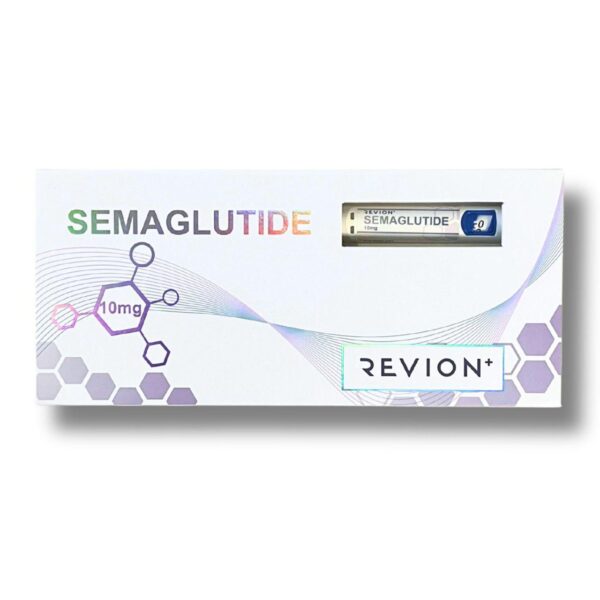

Semaglutide: The Complete Guide to the Weight Loss Drug Everyone Is Talking About (2026)
Semaglutide, Let me be blunt.
If you’ve been scrolling social media lately, you’ve seen it.
Celebrities. Influencers. Even your next-door neighbor — everyone is talking about semaglutide.
And here’s the thing: the hype is actually backed by science.
Clinical trials published in the New England Journal of Medicine show participants losing up to 14.9% of their body weight in just 68 weeks. A newer, higher dose pushed that number to an astonishing 21%.
But there’s a lot of noise out there.
Questions like “Which semaglutide brand name should I use?”, “What’s the right semaglutide dose for weight loss?”, and “How does it compare to tirzepatide?” — these deserve real, data-backed answers.
That’s exactly what you’ll get in this guide.
Table of Contents
- What Is Semaglutide?
- How Does Semaglutide Work?
- Semaglutide Brand Names: Ozempic vs. Wegovy vs. Rybelsus
- Semaglutide Dose for Weight Loss — The Complete Breakdown
- Semaglutide Side Effects: What to Expect
- Semaglutide for Type 2 Diabetes
- Tirzepatide vs. Semaglutide: Which One Wins?
- Semaglutide Results: What the Science Actually Says
- Oral Semaglutide — The New Pill Option
- Semaglutide Cost: What Will You Pay?
- How to Get Semaglutide Near You
- Compounded Semaglutide: Is It Safe?
- Semaglutide Before and After: Real Expectations
- Is Semaglutide Safe? Risks and Warnings
- Frequently Asked Questions
- Final Verdict
1. What Is Semaglutide?
Semaglutide is a GLP-1 receptor agonist — a class of medication that mimics a natural hormone in your body called glucagon-like peptide-1.
Here’s why that matters.
GLP-1 is released in your gut after you eat. It signals your brain to feel full, slows down how fast your stomach empties, and reduces your appetite.
Semaglutide works the same way only stronger and longer-lasting.
It was originally developed by Novo Nordisk to treat type 2 diabetes. But somewhere along the way, researchers noticed something remarkable: patients were losing significant amounts of weight.
That discovery sparked a revolution in obesity treatment.
Today, semaglutide is one of the most prescribed medications in the world, with combined annual sales exceeding $26 billion in 2024 — still growing at roughly 40% per year.
2. How Does Semaglutide Work?
This is where it gets interesting.
Semaglutide works through three primary mechanisms:
It suppresses your appetite. By binding to GLP-1 receptors in the brain — particularly in the hypothalamus — semaglutide reduces hunger signals. You simply don’t feel as hungry.
It slows gastric emptying. Food stays in your stomach longer. This means you feel full faster and for longer after eating.
It regulates blood sugar. Semaglutide stimulates insulin release in response to meals and suppresses glucagon (the hormone that raises blood sugar), which is why it’s so effective for type 2 diabetes.
Scientists at the University of Gothenburg also recently identified a specific group of nerve cells in the brain stem that appear to control semaglutide’s appetite-suppressing powers — a finding that could shape the next generation of obesity drugs.
The result? Less food consumed. More weight lost. Better metabolic health overall.
3. Semaglutide Brand Names: Ozempic vs. Wegovy vs. Rybelsus
The semaglutide brand name question is one of the most Googled — and most confusing.
Here’s the breakdown:
Ozempic
- Active ingredient: Semaglutide
- Form: Once-weekly subcutaneous injection (pen)
- Approved for: Type 2 diabetes management and cardiovascular risk reduction
- Doses available: 0.5 mg, 1 mg, 2 mg
- Common off-label use: Weight loss (very widespread, though not FDA-approved for this purpose)
Wegovy
- Active ingredient: Semaglutide
- Form: Once-weekly subcutaneous injection (pen) — and now, an oral pill (25 mg)
- Approved for: Chronic weight management in adults with obesity or overweight with at least one weight-related condition; also approved to reduce cardiovascular risk
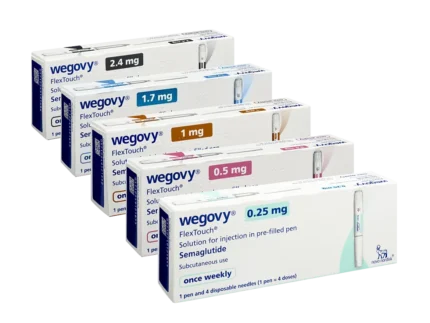
- Doses available: 0.25 mg, 0.5 mg, 1 mg, 1.7 mg, 2.4 mg, 7.2 mg (newest, FDA-approved March 2026), and 25 mg oral tablet
- The go-to brand for weight loss treatment
Rybelsus
- Active ingredient: Semaglutide
- Form: Daily oral tablet
- Approved for: Type 2 diabetes only (not weight loss)
- Doses available: 3 mg, 7 mg, 14 mg
Bottom line: Ozempic and Rybelsus are for diabetes. Wegovy is for weight loss. Same drug. Different doses. Different FDA indications.
4. Semaglutide Dose for Weight Loss — The Complete Breakdown
Getting the semaglutide dose for weight loss right is critical.
Too little and you won’t see results. Too much too fast and side effects hit harder.
Here is the standard Wegovy dose escalation protocol:
| Week | Dose |
|---|---|
| Weeks 1–4 | 0.25 mg once weekly |
| Weeks 5–8 | 0.5 mg once weekly |
| Weeks 9–12 | 1.0 mg once weekly |
| Weeks 13–16 | 1.7 mg once weekly |
| Week 17+ | 2.4 mg once weekly (maintenance dose) |
This slow escalation is intentional. It allows your body to adjust and significantly reduces gastrointestinal side effects.
The New 7.2 mg Dose
In 2026, the FDA approved an even higher dose: semaglutide 7.2 mg weekly.
This higher semaglutide dose is for adults who have already tolerated the 2.4 mg dose for at least 4 weeks and need additional weight reduction.
Clinical results are impressive:
- Mean weight loss of 21% over 72 weeks
- Over 90% of participants lost at least 5% of body weight
- One-third of participants lost 25% or more of body weight
However, it comes with a higher rate of a specific side effect called dysesthesia (altered skin sensation) — so it’s not for everyone. Always work with a licensed clinician to determine the right dose for your situation.
Semaglutide Dose for Diabetes
For type 2 diabetes (Ozempic), the dosing is different:
- Starting dose: 0.25 mg once weekly for 4 weeks
- Maintenance dose: 0.5 mg to 1 mg once weekly
- Maximum dose: 2 mg once weekly
5. Semaglutide Side Effects: What to Expect
Let’s be honest. Semaglutide is not without its downsides.
The most common semaglutide side effects are gastrointestinal — and they usually hit hardest during the dose escalation phase.
Most common side effects:
- Nausea (most reported)
- Vomiting
- Diarrhea
- Constipation
- Stomach pain or discomfort
- Burping
Less common but serious side effects:
- Pancreatitis (inflammation of the pancreas)
- Gallbladder disease (including gallstones)
- Changes in heart rate
- Kidney problems
- Thyroid tumors (seen in animal studies; risk in humans not fully established)
- Dysesthesia (tingling or burning skin) — more common at the 7.2 mg dose
An important concern: A study found that semaglutide may cause significant muscle loss — up to 40% of total weight lost could come from lean mass, particularly in women and older adults. This underscores the importance of pairing semaglutide with resistance training and adequate protein intake.
Who should NOT use semaglutide:
- People with a personal or family history of medullary thyroid carcinoma
- People with Multiple Endocrine Neoplasia syndrome type 2 (MEN 2)
- Pregnant or breastfeeding women
- Anyone with a prior serious allergic reaction to semaglutide
Always disclose your full medical history to your doctor before starting treatment.
6. Semaglutide for Type 2 Diabetes
Semaglutide didn’t start as a weight loss drug. It earned its reputation as a powerhouse diabetes treatment first.
Ozempic (injectable semaglutide) and Rybelsus (oral semaglutide) are both FDA-approved for managing blood sugar in adults with type 2 diabetes.
Here’s what the evidence shows for diabetes patients:
- Significant reduction in HbA1c (a key marker of long-term blood sugar control)
- Reduced risk of major cardiovascular events — heart attack, stroke, and cardiovascular death
- Weight loss as a secondary benefit (which itself improves insulin sensitivity)
In the landmark SELECT trial involving over 17,600 patients, semaglutide reduced the risk of major cardiovascular events by 20% in people with obesity and pre-existing heart disease — even without diabetes.
This is why semaglutide is now considered a first-line treatment option for many patients with type 2 diabetes who also need cardiovascular risk management.
7. Tirzepatide vs. Semaglutide: Which One Wins?
This is probably the most searched question in the GLP-1 space right now.
Tirzepatide (brand name: Mounjaro for diabetes, Zepbound for weight loss) is manufactured by Eli Lilly. It works differently from semaglutide — it targets two receptors (GLP-1 and GIP), while semaglutide targets only one (GLP-1).
Here’s a head-to-head comparison based on published trial data:
| Feature | Semaglutide (Wegovy 2.4 mg) | Tirzepatide (Zepbound 15 mg) |
|---|---|---|
| Mean weight loss | ~13–15% | ~17–22% |
| Head-to-head trial result | -13.7% | -20.2% |
| Cardiovascular approval | ✅ Yes (SELECT trial) | ⚠️ Limited data so far |
| Oral option | ✅ Yes (Wegovy pill) | ???? In development |
| Diabetes approval | ✅ Yes (Ozempic, Rybelsus) | ✅ Yes (Mounjaro) |
| Side effects | Nausea, GI | Nausea, GI (similar profile) |
The verdict? Tirzepatide generally produces greater weight loss. But semaglutide has a stronger cardiovascular evidence base, more long-term real-world data, and now has an FDA-approved oral option.
Neither is universally “better.” The right choice depends on your specific health profile, what your doctor recommends, insurance coverage, and personal preference (injection vs. pill).
8. Semaglutide Results: What the Science Actually Says
Let’s cut through the marketing and look at real semaglutide results from peer-reviewed studies.
STEP 1 Trial (NEJM, 2021)
- Participants: Adults with obesity, no diabetes
- Duration: 68 weeks
- Result: -14.9% mean body weight loss vs. -2.4% with placebo
SELECT Trial (NEJM)
- Participants: Adults with obesity and cardiovascular disease, no diabetes
- Duration: 104 weeks
- Result: -15.2% mean body weight loss; 20% reduction in major cardiovascular events
STEP UP Trial (Lancet, 2025)
- Higher dose: 7.2 mg weekly
- Duration: 72 weeks
- Result: -21% mean body weight loss; one-third of participants lost 25%+
OASIS 4 Trial (2025 — oral semaglutide)
- Oral semaglutide 25 mg daily
- Duration: 64 weeks
- Result: -16.6% mean body weight loss (with full adherence); -13.6% in the full trial population
These are not small numbers. For context, lifestyle interventions alone typically produce 5–10% weight loss — and most people can’t sustain it.
9. Oral Semaglutide — The New Pill Option
If you hate needles, this section is for you.
On December 22, 2025, the FDA approved the oral Wegovy pill — a 25 mg once-daily tablet. This made it the first FDA-approved oral GLP-1 medication for weight management in history.
Novo Nordisk launched the pill in the U.S. in early January 2026.
Key things to know about oral semaglutide for weight loss:
- It must be taken on an empty stomach with a small amount of water (no more than 4 oz)
- You should wait at least 30 minutes before eating, drinking, or taking other medications
- It produced 13.6–16.6% mean weight loss in clinical trials — slightly less than the injectable version, but comparable
- One-third of adherent participants lost 20% or more of their body weight
Rybelsus (the earlier oral semaglutide product) is approved for type 2 diabetes, not weight loss. Wegovy pill is the one approved specifically for obesity management.
10. Semaglutide Cost: What Will You Pay?
Let’s talk money — because this is a real barrier for many people.
Without insurance:
- Wegovy injection: Approximately $1,300–$1,600/month in the U.S.
- Ozempic: Approximately $900–$1,000/month
- Rybelsus: Approximately $800–$1,000/month
- Wegovy pill (25 mg): Novo Nordisk has indicated pricing that aims to be more affordable than the injectable, with some self-pay programs available
With insurance: Coverage varies widely. Many commercial insurance plans now cover Wegovy for obesity, especially following its cardiovascular approval. Medicare Part D started covering Wegovy for cardiovascular risk reduction.
Savings programs:
- Novo Nordisk offers a savings card program for eligible patients (out-of-pocket as low as $25/month for qualifying commercially insured patients in the U.S.)
- Patient assistance programs are available for those who qualify based on income
Outside the U.S.: Prices vary by country. In some markets (UK via NHS, parts of Europe), semaglutide is partially or fully reimbursed.
In countries where semaglutide’s patent is expiring in 2026 (India, Canada, Brazil, China, Turkey), generic and biosimilar versions are expected to enter the market — which could significantly reduce costs.
11. How to Get Semaglutide Near You
Searching “semaglutide near me”? Here’s where to look:
Option 1: Your primary care doctor or endocrinologist The most direct route. Your doctor evaluates your BMI, health history, and other medications, then writes a prescription if appropriate.
Option 2: Weight loss clinics Medical weight loss clinics often specialize in GLP-1 medications and provide comprehensive support including dietary guidance and monitoring.
Option 3: Telehealth platforms Several licensed telehealth services can evaluate and prescribe semaglutide online, ship it to your door, and provide ongoing monitoring. Examples include platforms like Noom Med, Ro, Hims & Hers, and others.
Eligibility criteria (FDA-approved indications for Wegovy):
- BMI ≥ 30 (obesity), OR
- BMI ≥ 27 with at least one weight-related condition (high blood pressure, type 2 diabetes, high cholesterol, sleep apnea, etc.)
12. Compounded Semaglutide: Is It Safe?
During the semaglutide shortage that peaked in 2023–2024, compounded semaglutide flooded the market.
Compounding pharmacies mix the active pharmaceutical ingredient (API) to create a customized version of the drug.
What you need to know:
- Compounded semaglutide is NOT FDA-approved as a finished product
- Quality and potency can vary between compounding pharmacies
- Some compounded versions include add-ons like B12 or L-carnitine — these are not tested for safety alongside semaglutide
- As Wegovy supply has stabilized, the FDA has signaled it may restrict compounded versions
Compounded semaglutide may be an affordable stopgap for some patients, but it carries regulatory and quality risks. Always use a licensed, PCAB-accredited compounding pharmacy if you pursue this route — and keep your prescribing doctor in the loop.
13. Semaglutide Before and After: Real Expectations
Here’s the truth about semaglutide before and after results:
What’s realistic:
- Most people start noticing reduced appetite within the first 1–2 weeks
- Visible weight loss typically becomes apparent by weeks 4–8
- Significant results (10%+ body weight) usually show by months 4–6
- Maximum results are typically reached around 12–18 months
What influences your results:
- Your starting weight (higher BMI generally means more total pounds lost)
- How closely you follow dietary guidance
- Whether you exercise (especially resistance training)
- Dose level and adherence
- Genetics and individual biology
The catch everyone needs to hear: Research consistently shows that if you stop taking semaglutide, the weight comes back. In one study, participants regained two-thirds of their weight within one year of stopping. This is not a short-term fix — it’s a long-term treatment for a chronic condition.
14. Is Semaglutide Safe?
Short answer: Yes — for most people, when prescribed and monitored appropriately, semaglutide has a well-established safety profile.
Long answer: Like all medications, it carries risks that need to be weighed against benefits.
What the clinical data says:
- Serious adverse events with semaglutide 2.4 mg occurred in a small minority of participants in trials
- In the OASIS 4 trial, serious adverse events were actually less frequent with oral semaglutide (3.9%) than with placebo (8.8%)
- There’s no confirmed increased risk of thyroid cancer in humans (animal data exists, but has not been reproduced in human studies)
Newer concerns to watch:
- Muscle loss: Up to 40% of weight lost on semaglutide may come from lean muscle mass — pairing it with protein intake and strength training is strongly recommended
- Dysesthesia: More common at the 7.2 mg dose the FDA is investigating this signal
- Psychiatric symptoms: Some patients report mood changes; consult your physician if you experience anxiety, depression, or suicidal ideation while on GLP-1 medications
The bottom line: semaglutide is one of the most studied weight loss medications in history. Use it under medical supervision.
15. Frequently Asked Questions (FAQ)
What is semaglutide used for?
Semaglutide is FDA-approved to treat type 2 diabetes (Ozempic, Rybelsus) and to manage chronic obesity or overweight with weight-related conditions (Wegovy). It is also approved to reduce the risk of major cardiovascular events in adults with established heart disease and obesity.
What is the semaglutide brand name?
The main semaglutide brand names are Ozempic (injection, for diabetes), Wegovy (injection and now a pill, for weight loss), and Rybelsus (oral tablet, for diabetes). All three are manufactured by Novo Nordisk.
What is the correct semaglutide dose for weight loss?
The standard maintenance dose for weight loss is 2.4 mg once weekly (Wegovy). A newer FDA-approved dose of 7.2 mg weekly is available for patients who need additional weight reduction and have tolerated the 2.4 mg dose. The oral Wegovy pill is taken at 25 mg once daily.
How does tirzepatide compare to semaglutide?
Tirzepatide generally produces greater average weight loss (up to 20%+ versus 13–15% with semaglutide 2.4 mg). However, semaglutide has more established cardiovascular evidence and an approved oral option. The best choice depends on your health profile and your doctor’s recommendation.
How long does it take for semaglutide to work?
You may notice reduced appetite within the first week or two. Significant weight loss typically appears by months 2–4. Maximum results are usually seen by 12–18 months of consistent use.
Can I take semaglutide if I don’t have diabetes?
Yes. Wegovy (semaglutide 2.4 mg injection and 25 mg oral pill) is specifically approved for chronic weight management in adults with obesity or overweight, regardless of diabetes status.
What happens when I stop taking semaglutide?
Most people regain the weight they lost — often rapidly. Semaglutide treats obesity as a chronic condition, meaning long-term or indefinite use is typically required to maintain benefits.
Is semaglutide the same as Ozempic?
Semaglutide is the active ingredient. Ozempic is one of the brand names. Ozempic, Wegovy, and Rybelsus all contain semaglutide but at different doses and with different approved indications.
16. Final Verdict
Semaglutide is not a fad.
It’s the most clinically validated weight loss medication the world has ever seen — backed by data from tens of thousands of patients across dozens of countries.
Whether you’re exploring the Wegovy injection, the new oral semaglutide pill, or comparing tirzepatide vs. semaglutide, the core message is the same:
This drug works. Significantly. Consistently.
But it works best as part of a comprehensive approach — paired with diet, physical activity, regular monitoring, and the guidance of a qualified healthcare provider.
If you’re considering semaglutide, the next step is simple: talk to your doctor. Show them this guide. Ask if you’re a candidate.
The era of effective, evidence-based obesity treatment is here.


Related products
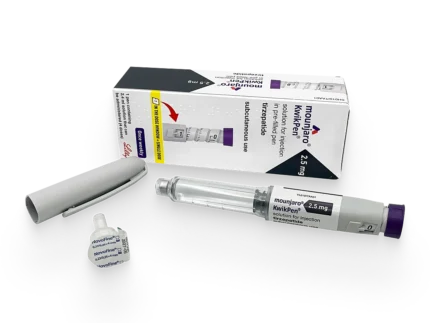
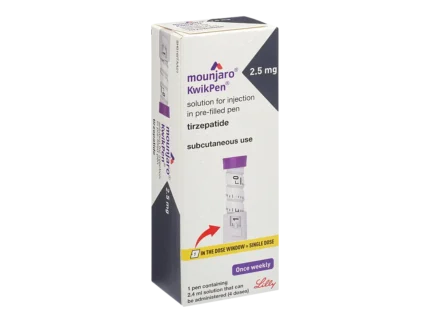
Mounjaro (Tirzepatide)
- Once a week self-injection pen which reduces appetite, makes you feel fuller and supports you in losing up to 22.5%* of your starting weight
- Achieve your weight loss goals for less from $176.00
- Earn 5x Health and Beautycard points



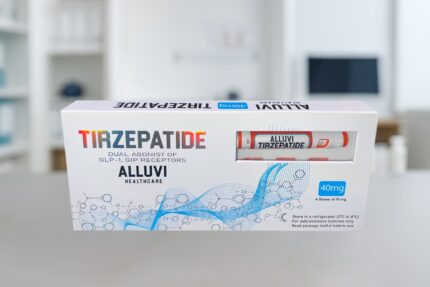
Retatrutide 40mg (R&D Only) – Alluvi Healthcare | Alluvi Retatrutide
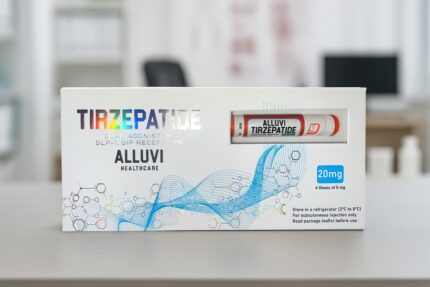
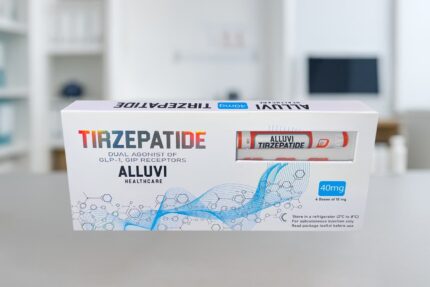
Tirzepatide 20mg (R&D Only) – Alluvi Healthcare | Alluvi Retatrutide
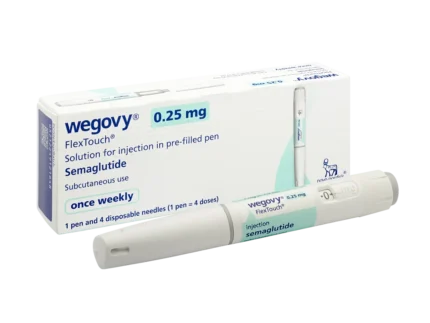
Wegovy (Semaglutide)
Wegovy
- Once a week self-injection pen which reduces appetite, makes you feel fuller and supports you to lose on average 21%* of your starting weight
- Achieve your weight loss goals for less; from £99.00
- Earn 5x Health and Beautycard points
Reviews
There are no reviews yet.